
What is Plastic Injection Molding?
What is Plastic Injection Molding? A Deep Dive into the Backbone of Modern Manufacturing
In today’s world, plastic is everywhere. From the smartphone in your pocket and the dashboard of your car to the caps on your water bottles and the housing of your medical devices, plastic components dominate our daily lives. But have you ever wondered how these complex, high-volume plastic parts are made with such precision and consistency?
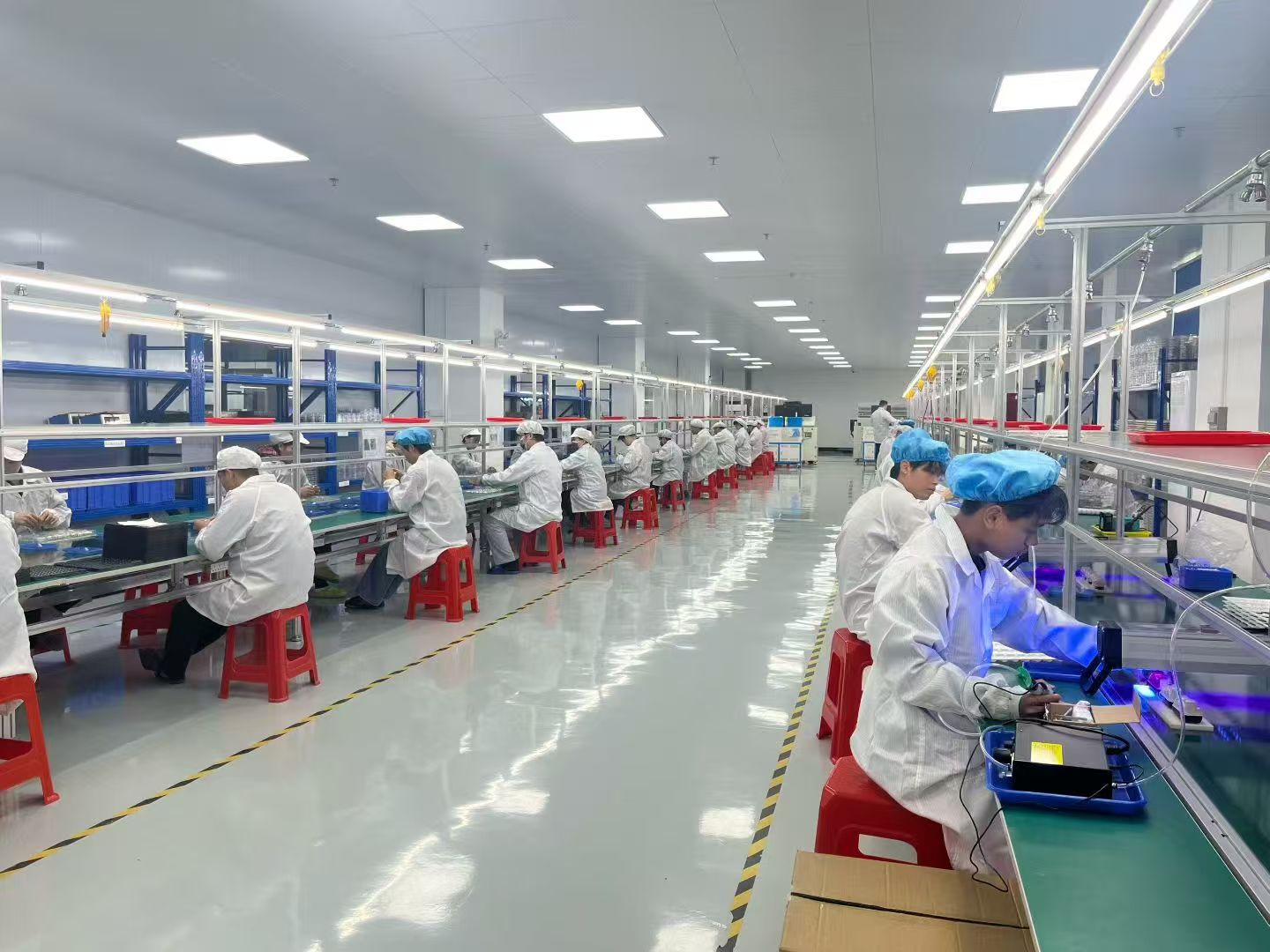
The answer is Plastic Injection Molding.
It is one of the most common and efficient manufacturing processes for producing plastic parts. If your business relies on durable, high-quality plastic components, understanding this process is key to scaling production effectively.
The Simple Analogy: Like Making Jello
To understand injection molding, think about making Jello. You prepare a liquid mixture, pour it into a mold (a shaped container), let it cool and solidify, and then pop it out.
Plastic injection molding works on the same principle, but at extremely high speeds, pressures, and temperatures.
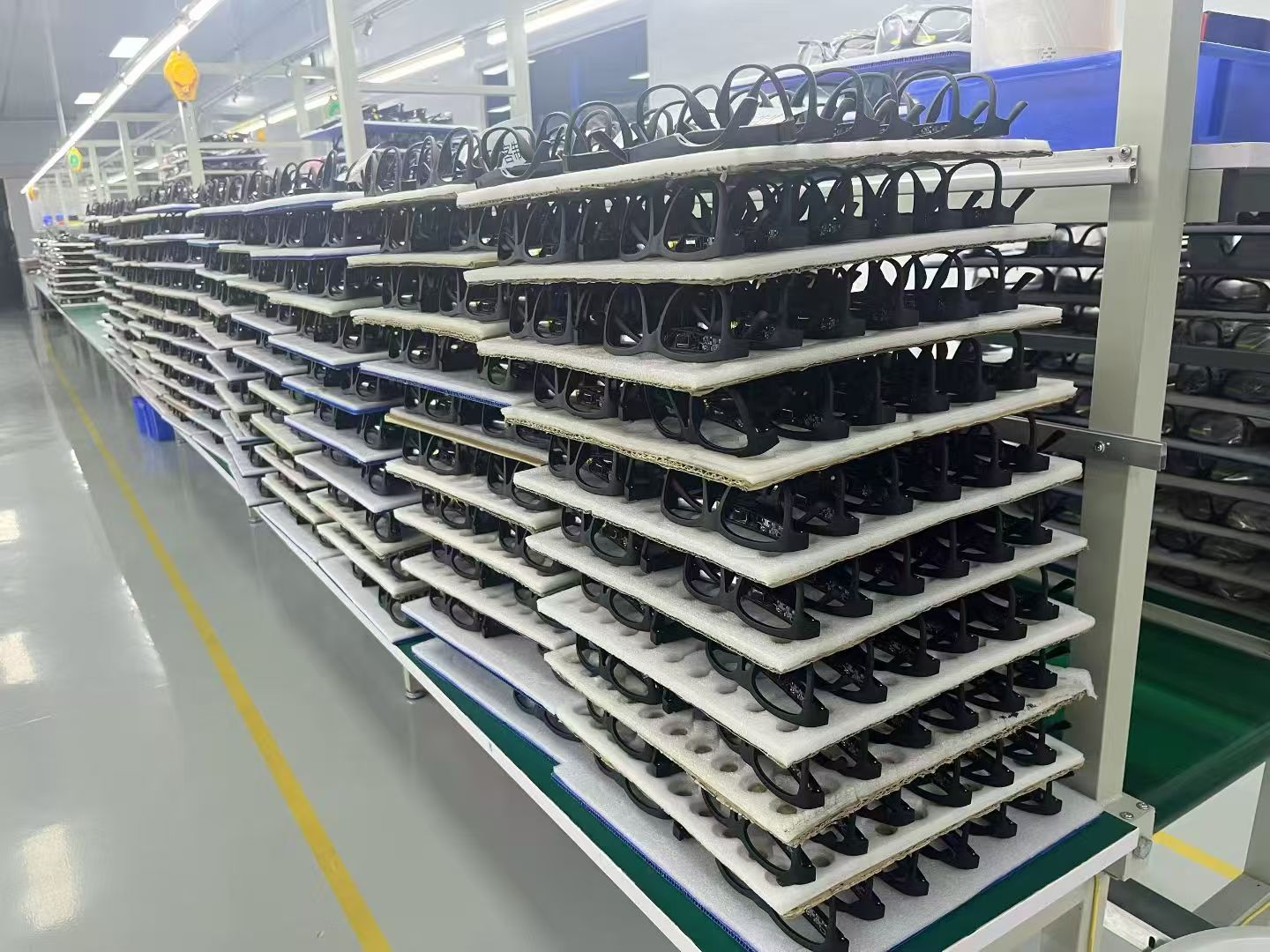
The Step-by-Step Process
The process is cyclical and highly automated. Here is how it works in a real-world factory setting:
1. Clamping
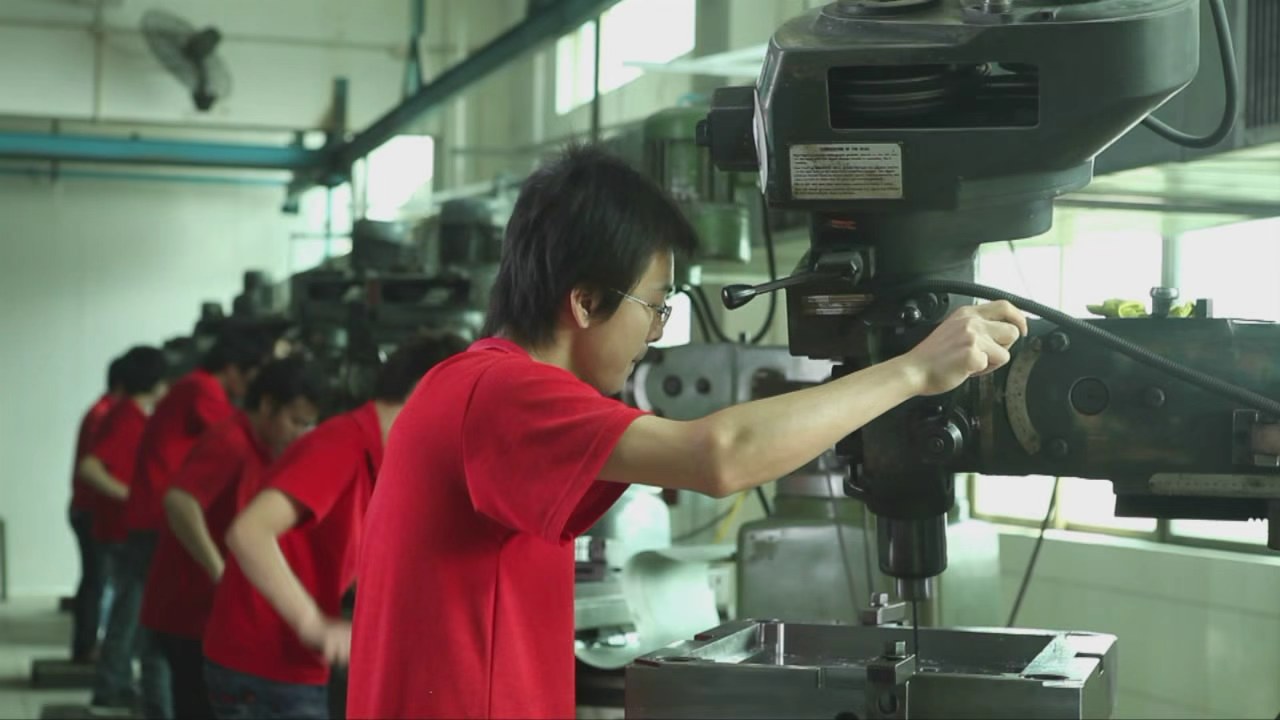
The first step involves a clamping unit. An injection molding machine consists of two main parts: the injection unit and the clamping unit. The mold (which is made of steel or aluminum) is secured into the machine. The clamping unit holds the mold halves tightly together under immense pressure—often thousands of tons—to ensure they do not open when the plastic is injected.
2. Injection
Raw plastic material, usually in the form of small pellets or granules, is fed into the injection unit. Inside a heated barrel, a rotating screw pushes the pellets forward. As they move, they are subjected to intense heat (typically between 200°C to 400°C, depending on the material) and shear friction, melting them into a molten state.
Once the plastic is fully melted, the screw acts like a plunger, injecting the liquid plastic into the mold cavity at incredibly high pressure. This injection happens in a fraction of a second.
3. Cooling
Once the mold cavity is filled, the part begins to cool and solidify. This is a critical phase. The part must remain in the mold long enough to harden to a point where it can be ejected without distortion. Cooling time often accounts for the largest percentage of the total cycle time.
4. Ejection
When the part has cooled sufficiently, the clamping unit opens the mold. A series of ejector pins push the finished part out of the mold cavity. At this point, the part may have attached “sprues” or “runners” (leftover channels where the plastic flowed), which are typically trimmed off and recycled.
The mold then closes, and the cycle repeats—often every 20 to 60 seconds for standard parts.
Why is Injection Molding So Widely Used?
In the competitive landscape of manufacturing, businesses choose injection molding for several compelling reasons:
High Efficiency for Mass Production: Once the mold is made, the process is extremely fast. It allows manufacturers to produce thousands—or even millions—of identical parts with minimal labor.
Complex Geometry: It allows for the creation of highly complex parts with intricate details, thin walls, and specific textures that would be impossible or too expensive to achieve with other methods like machining.
Material Versatility: There are thousands of plastic resins available. Whether you need a flexible rubber-like part (TPE), a heat-resistant component (PC/ABS), or a food-grade container (PP), there is a material suited for the job.
Low Labor Costs: Because the process is largely automated, labor costs per part are significantly lower compared to traditional fabrication methods.
Minimal Waste: Unlike subtractive manufacturing (cutting away material), injection molding is additive within the mold. Excess sprues and runners can often be ground down and reused, making it a relatively sustainable option.
Common Applications in Daily Life
If you are sourcing manufacturing for a new product, chances are injection molding is the right fit. Here are just a few examples of products made this way:
Consumer Goods: Bottle caps, LEGO bricks, plastic chairs, kitchenware.
Automotive: Dashboards, bumpers, door handles, interior trim.
Medical: Syringes, IV connectors, surgical instruments, pill cases.
Electronics: Smartphone cases, computer housings, connectors.
The Real-World Challenge: The Mold
While the machine does the work, the real magic—and the largest upfront cost—lies in the mold itself.
In the industry, we often say, “You are not buying the machine; you are buying the mold.”
Molds are custom-built, often made from hardened steel, and can cost anywhere from a few thousand to hundreds of thousands of dollars. However, a high-quality mold is an investment. A well-maintained steel mold can produce over a million parts over its lifetime.

Conclusion
Plastic injection molding is the unsung hero of mass production. It bridges the gap between a concept design and a tangible, durable product that can be produced consistently at scale.
For businesses looking to launch a new product—whether it's a medical device, an automotive component, or a household item—partnering with an experienced injection molding manufacturer is crucial. It ensures not only the quality of the individual part but also the efficiency and profitability of the entire production cycle.
Are you working on a project that requires high-volume plastic components? [Contact us today] to discuss your tooling needs and get a quote on your next manufacturing run.
Send Inquiry



X
We use cookies to offer you a better browsing experience, analyze site traffic and personalize content. By using this site, you agree to our use of cookies.
Privacy Policy