
Global Guide to Plastic Injection Molds: 2026 Sustainability & AI Optimization
The manufacturing landscape for consumer electronics and industrial components is undergoing a seismic shift. As we approach 2026, the demand for high-precision Phone Case Mold solutions is being driven by two main forces: environmental regulations and artificial intelligence. For global procurers and brands, staying ahead means mastering the intersection of technical excellence and sustainable compliance.
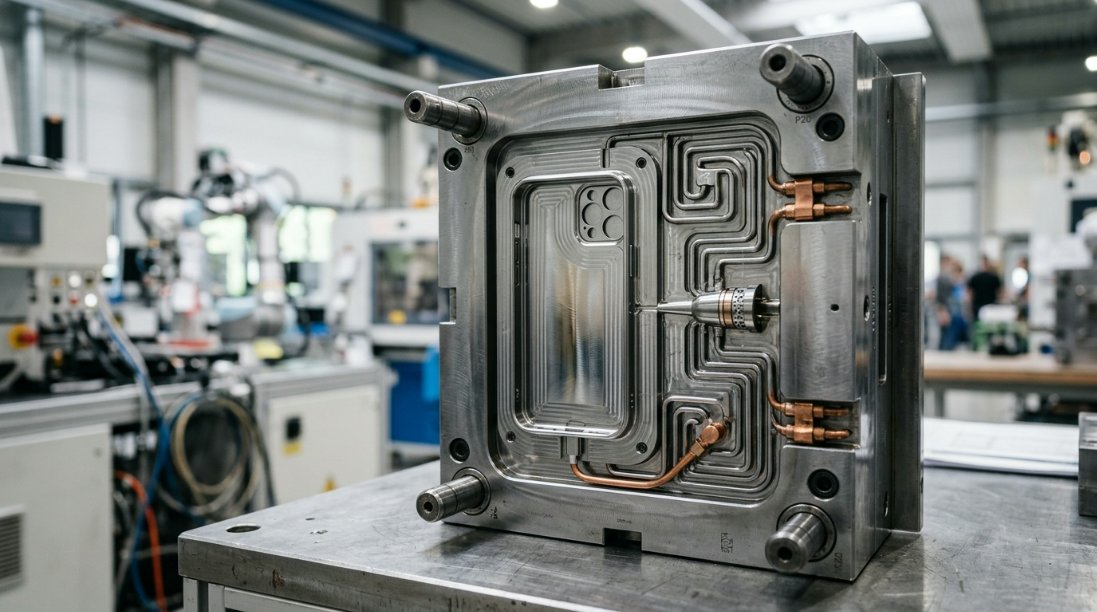
What is a Plastic Injection Mold and How Does It Work Globally?
A plastic injection mold is a precision-engineered tool made from high-grade steel or aluminum, used to produce plastic parts by injecting molten material into a carved cavity. Globally, this process is the standard for mass production due to its high repeatability and low per-unit cost. For specialized applications like a Phone Case Mold, the tool must account for rapid cooling and complex textures to meet consumer aesthetic standards.
The Core Principles and Components of Global Injection Molding Systems
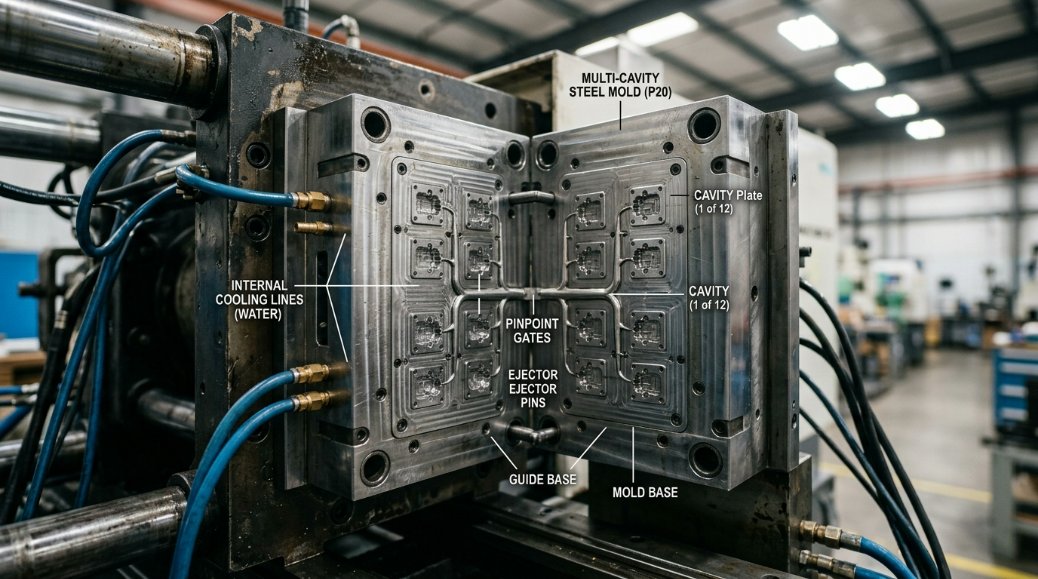
Every system consists of the injection unit, the mold (the 'heart' of the operation), and the clamping unit. Key components include the sprue, runners, gates, and ejector pins. Global manufacturers now utilize multi-cavity designs to maximize output, ensuring that a single cycle can produce four, eight, or even sixteen phone cases simultaneously.
Global Certifications and Quality Standards for Injection Molds
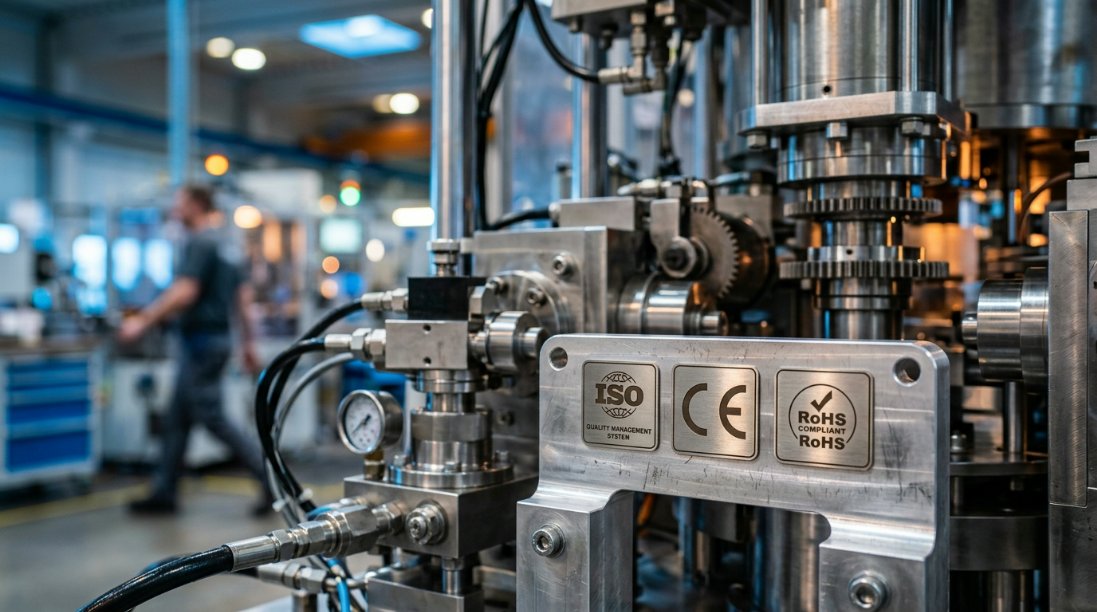
In the international market, quality is not just a preference; it is a regulatory requirement. Producing a reliable plastic injection mold requires adherence to specific global frameworks that ensure safety and interoperability.
Manufacturing Quality: ISO 9001, ISO 13485 (Medical), and IATF 16949 (Automotive)
ISO 9001 remains the baseline for quality management. However, for those expanding into specialized sectors, ISO 13485 is critical for medical-grade plastics, while IATF 16949 is mandatory for automotive-grade components, ensuring that the molds can withstand rigorous stress tests and maintain tight tolerances over millions of cycles.
Environmental & Safety Compliance: RoHS, REACH, CE, and UL Regulations
Compliance with RoHS (Restriction of Hazardous Substances) and REACH is vital for the European market, ensuring that no toxic chemicals are used in the mold coatings or the resulting plastic products. CE marking and UL certification provide the necessary safety clearances for machinery and electronic compatibility.
Navigating 2026 Sustainability Mandates in Plastic Injection Molding
The year 2026 marks a turning point for global manufacturing with the full implementation of various carbon border taxes and eco-design regulations. Manufacturers must now pivot toward 'Green Tooling'.
Compliance Strategies for Upcoming Global Eco-Tooling and Carbon Directives
To meet 2026 mandates, molders are adopting energy-efficient servo-electric machines and implementing closed-loop water cooling systems. Reducing the carbon footprint of the mold manufacturing process itself is becoming a key KPI for global B2B contracts.
Adapting to Biodegradable Resins and High-Efficiency Molding Processes
Modern molds are being redesigned to handle the unique thermal profiles of biodegradable resins (like PLA or PHA) and recycled PCR (Post-Consumer Recycled) plastics. These materials often behave differently than traditional ABS or PC, requiring advanced venting and gate placement.
AI-Assisted Tooling Optimization for Phone Case Molds
Artificial Intelligence is no longer a futuristic concept; it is currently optimizing the production of every high-end mobile accessory.
Implementing AI Mold Flow Analysis for Complex Consumer Electronics
AI-driven mold flow analysis predicts potential defects like sink marks, air traps, or weld lines before a single piece of steel is cut. This simulation saves thousands of dollars in rework and ensures that the final product meets the sleek requirements of modern smartphones.
Predictive Maintenance and Cycle Time Reduction for Mobile Accessories
Sensors embedded within the mold provide real-time data to AI platforms, predicting when a component is likely to fail. This predictive maintenance prevents unplanned downtime, while AI-optimized cooling cycles can shave 2-3 seconds off each shot, significantly increasing annual throughput.
Data Specifications: Plastic Injection Mold Capabilities (Table)
Key Metrics Table: Tonnage Range, Part Tolerances, and Cycle Times
| Metric | Standard Specification | High-Precision Range |
|---|---|---|
| Clamping Force (Tonnage) | 50T - 500T | Up to 2000T |
| Tolerance Accuracy | +/- 0.05 mm | +/- 0.01 mm |
| Cycle Time (Phone Case) | 25 - 40 Seconds | 12 - 20 Seconds |
| Mold Life (Cycles) | 300,000 | 1,000,000+ |
Material Compatibility Chart: ABS, PC, TPU, and Recycled Blends
Molds are typically optimized for specific materials. ABS offers rigid durability, PC provides crystal clarity, and TPU is used for flexible, shock-absorbent bumpers. The latest trend involves hybrid molds capable of processing recycled blends without compromising structural integrity.
Comprehensive FAQs: Expert Answers on Modern Injection Molding
How will the 2026 sustainability mandates impact mold manufacturing costs globally?
Initially, costs may rise by 10-15% due to the requirement for more sophisticated cooling systems and high-grade 'green' materials. However, long-term ROI is achieved through energy savings and the avoidance of carbon taxes.
What is the ROI of using AI-assisted tooling optimization for phone case molds?
Companies typically see a return on investment within 8-12 months. The primary gains come from a 20% reduction in scrap rates and a significant decrease in time-to-market for new designs.
Which global certifications are mandatory for exporting injection molds to Europe and North America?
For Europe, CE marking and REACH compliance are essential. For North America, UL standards and ISO 9001 certification are the primary benchmarks required by most Tier-1 distributors.
Send Inquiry



X
We use cookies to offer you a better browsing experience, analyze site traffic and personalize content. By using this site, you agree to our use of cookies.
Privacy Policy