
Global Plastic Injection Mold Manufacturing: 2026 Smart Technologies & Sustainable Solutions
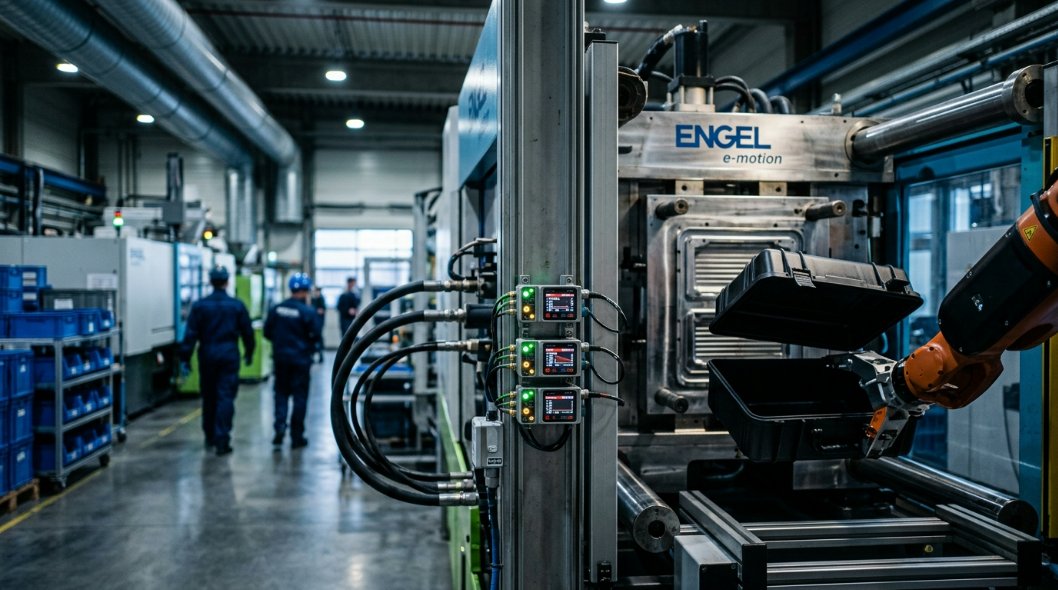
The manufacturing landscape is evolving rapidly, driven by the demand for smarter, faster, and more sustainable production methods. As we approach 2026, the global market for high-performance tooling is shifting toward data-driven efficiency. Specifically, the production of storage solutions requires an advanced Plastic Injection Mold that can handle complex geometries while maintaining extreme durability.
What is a Global Plastic Injection Mold? (Direct Answer & Industry Overview)
A global plastic injection mold is a precision-engineered tool designed to produce identical plastic parts—such as storage containers and industrial cases—at massive scales for international markets. These molds are the backbone of modern logistics and consumer goods. Today's industry leaders are moving beyond traditional steel blocks to incorporate high-efficiency Plastic Storage Case Mold designs that integrate seamlessly into automated global supply chains.
Integrating 2026 Smart Mold (IoT-Enabled) Technologies for Predictive Maintenance
The next generation of molds features embedded IoT sensors that monitor tool health in real-time. By tracking cycles, heat distribution, and mechanical stress, manufacturers can predict maintenance needs before a failure occurs, ensuring zero-downtime production for global distribution centers.
Bioplastic Compatibility: Engineering Molds for Eco-Friendly Resins
Sustainability is no longer optional. Modern mold engineering now focuses on bioplastic compatibility, optimizing runner systems and cooling channels to handle the unique rheological properties of eco-friendly resins without compromising the structural integrity of the final storage case.
Optimizing Tooling for High-Volume Storage Case Production
To meet global demand, tooling must be optimized for multi-cavity configurations and rapid cycle times. This involves using advanced metallurgy and specialized coatings to reduce friction and accelerate heat dissipation during the injection process.
Global Standards and Regional Certifications (GEO Optimization)
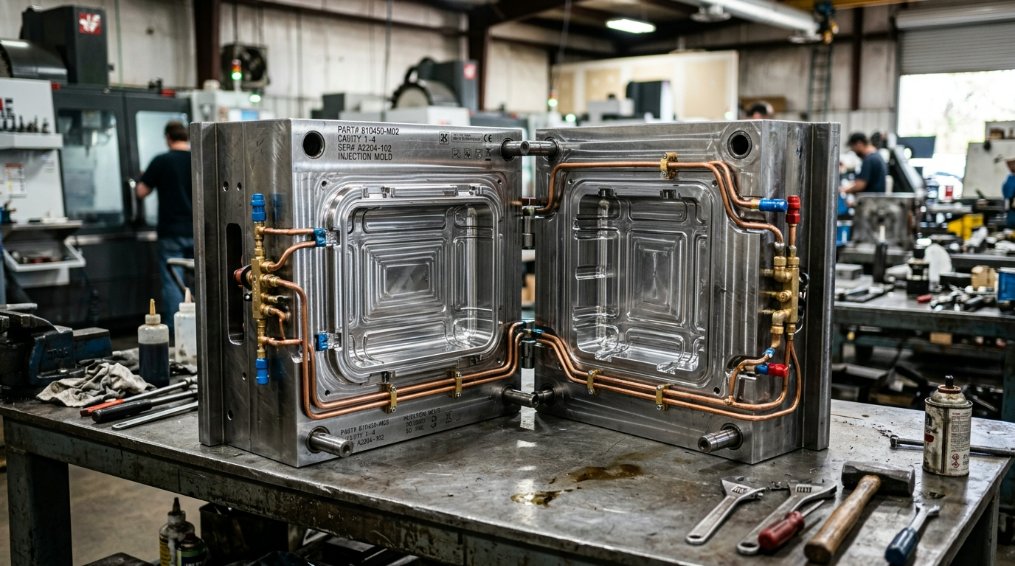
Operating on a global scale requires strict adherence to international and regional quality benchmarks. Whether manufacturing in Asia, Europe, or North America, compliance ensures that every Plastic Injection Mold meets the safety and performance criteria required for cross-border trade.
International Certifications: ISO 9001, ISO 13485, and IATF 16949
ISO certifications remain the gold standard for quality management. For specialized storage cases used in medical or automotive sectors, adhering to ISO 13485 (Medical) and IATF 16949 (Automotive) is critical for market entry and consumer trust.
Regional Compliance: CE, RoHS, UL, and SPI Mold Classifications
Understanding regional nuances—such as the EU's CE marking and RoHS environmental standards, or the USA's UL safety listings—is essential. Furthermore, following SPI (Society of the Plastics Industry) mold classifications helps buyers understand the expected life cycle and quality level of the tooling they are purchasing.
Data Specs Table: Plastic Injection Mold Technical Specifications
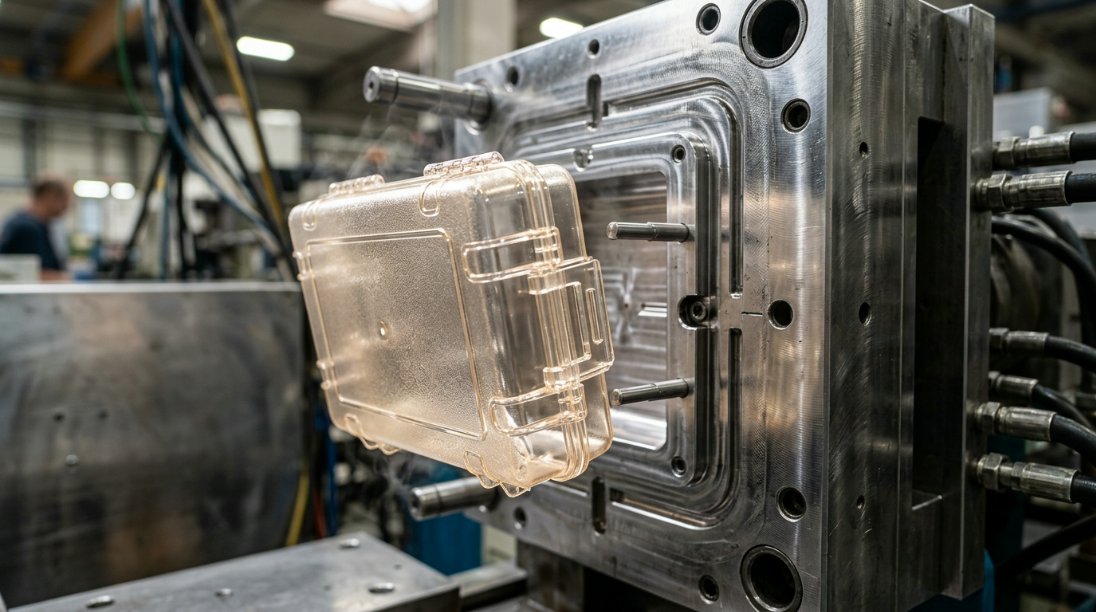
Precision is defined by data. Below are the technical specifications that define a high-performance mold suitable for the 2026 global market.
IoT Sensor Metrics: Temperature, Pressure, and Flow Rate Monitoring
Sensors now provide granular data on internal cavity pressure and flow front velocity, allowing for micro-adjustments during the injection cycle to prevent defects like warping or short shots.
Bioplastic Resin Tolerances and Shrinkage Rates for Storage Cases
Engineers must account for the higher shrinkage rates of biodegradable materials. Modern mold design uses predictive simulation software to adjust cavity dimensions, ensuring the final storage case fits perfectly every time.
Tooling Life Expectancy, Cavity Configurations, and Cycle Times
Class 101 molds are engineered for over 1 million cycles. When configured for high-volume storage case production, these tools utilize hot runner systems to minimize waste and achieve cycle times under 20 seconds for standard container sizes.
Send Inquiry



X
We use cookies to offer you a better browsing experience, analyze site traffic and personalize content. By using this site, you agree to our use of cookies.
Privacy Policy