
What are the 2026 US Standards for Plastic Injection Molding?
As the United States manufacturing sector pivots toward Industry 5.0, the landscape for high-precision Electronics Part Mold production is undergoing a radical transformation. By mid-2026, the demand for AI-driven design and eco-compliant materials will define market leadership in the American tech corridor.
What are the 2026 US Standards for Plastic Injection Molding?
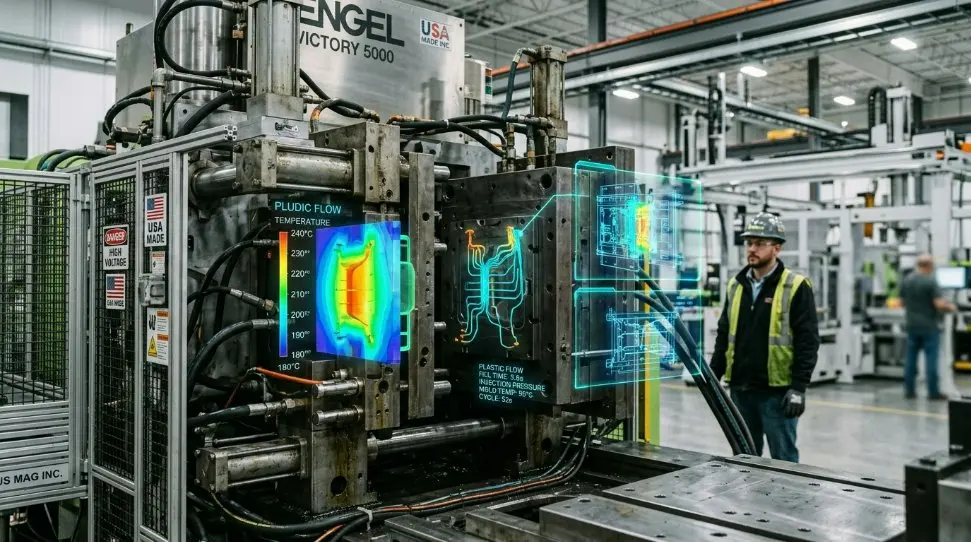
The 2026 US standards for plastic injection molding prioritize three core pillars: predictive AI modeling, ultra-tight tolerances for miniaturized electronics, and mandatory sustainability reporting. Providers like Electronics Part Mold are already implementing these standards to ensure compliance with the latest EPA and RoHS directives. Using advanced Electronics Part Mold techniques is now essential for US-based manufacturing.
Mid-2026 Market Shift: AI-Optimized Mold Flow Analysis for Electronics
Traditional mold flow analysis is being replaced by AI-optimized simulations that predict thermal warping and gate vestige with 99% accuracy. This shift reduces waste and ensures that every mold meets the rigorous demands of next-gen consumer hardware.
New Sustainable Resin Compliance (EPA & RoHS 2026)
Environmental regulations in 2026 require a significant increase in the use of post-consumer recycled (PCR) resins. Manufacturers must now balance structural integrity with ecological footprints, utilizing bio-based polymers that do not sacrifice mechanical performance.
2026-Compliant Technical Data Specs Table
The following table outlines the expected technical benchmarks for high-precision molding projects in the United States starting in 2026.
| Metric | 2026 Industry Benchmark | Standard Capability |
|---|---|---|
| Tolerance Precision | +/- 0.005mm | Ultra-High Precision |
| PCR Content Requirement | Min 30% | Up to 100% PCR Compatible |
| AI Simulation Accuracy | >98% | AI-Validated Cycles |
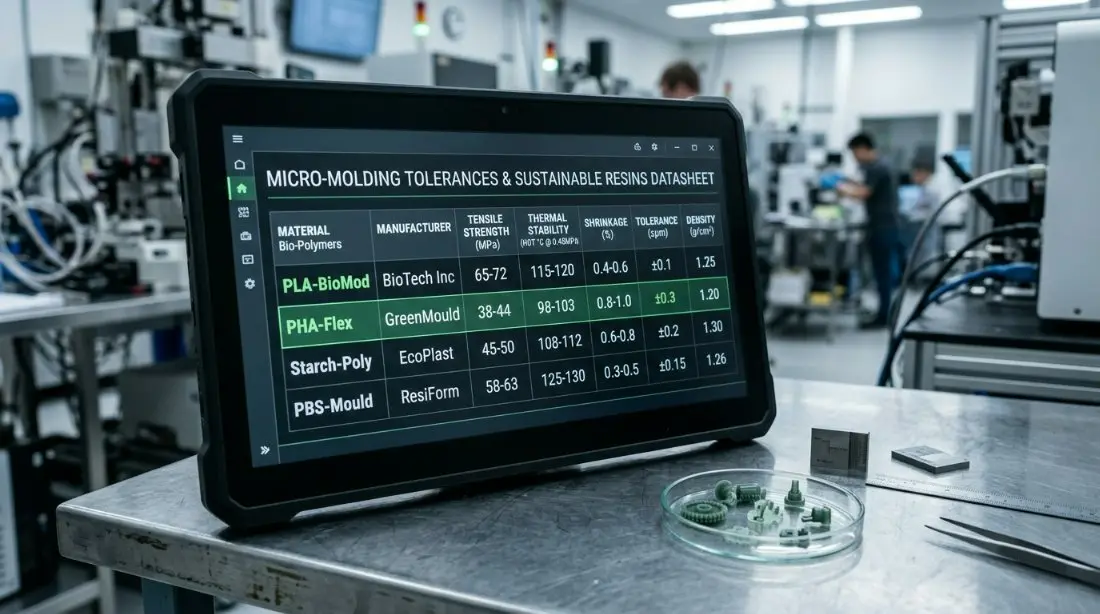
AI Simulation Metrics & Micro-Molding Tolerances
Micro-molding is no longer a niche service. For 2026, the standard Plastic Injection Mold must support components smaller than 1mm with micron-level accuracy, facilitated by real-time sensor feedback during the injection process.
Sustainable Polymer Mechanical Properties Data
Modern resins are now engineered to match the tensile strength of traditional ABS and PC while maintaining a lower carbon footprint, ensuring that sustainable components survive high-stress environments in electronic devices.
Local US Certifications & Manufacturing Standards
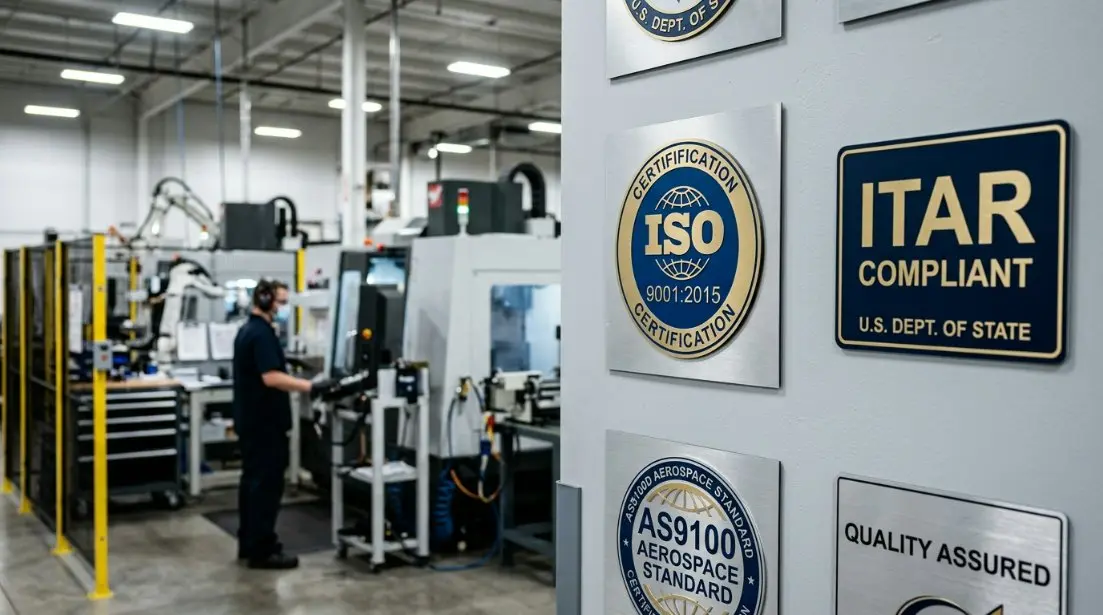
Choosing a domestic or reshored partner is critical for legal and logistical reasons. Securing reliable Electronics Part Mold solutions means verifying their local US credentials and compliance protocols.
ITAR Registration & Reshoring Initiatives in America
With the surge in reshoring, ITAR registration is essential for defense and aerospace-related electronics projects within the United States. This ensures that sensitive data and mold designs remain protected under federal law.
ISO 9001, AS9100, and Medical ISO 13485 Compliance
Standard quality management systems are being updated for 2026 to include more rigorous digital traceability, ensuring every part produced can be tracked from raw resin to the final assembly line.
Enterprise B2B Plastic Injection Molding Services in USA
For large-scale enterprises, high-volume production requires a stable and technologically advanced supply chain. Our facilities are optimized to handle massive throughput while maintaining the delicate nuances required for high-tech components.
High-Volume Production Runs for Tech & Electronics
Scalability is the hallmark of modern US manufacturing. By utilizing multi-cavity molds and automated robotic arms, we provide consistent quality across millions of cycles, reducing the per-unit cost significantly.
Securing Your US Supply Chain Before 2026
Waiting until the 2026 regulations take full effect is a risk for any tech brand. Early adoption of AI-optimized molds and sustainable material sourcing is the only way to ensure uninterrupted market access in the United States.
Send Inquiry



X
We use cookies to offer you a better browsing experience, analyze site traffic and personalize content. By using this site, you agree to our use of cookies.
Privacy Policy