
Premium Plastic Injection Mold in China factory: Mid-2026 ASEAN Sustainability Compliant
As the beauty industry pivots towards ecological responsibility, Southeast Asian markets are preparing for strict environmental regulations. For brands looking to maintain a competitive edge, sourcing a Cosmestic Case Mold that supports sustainable materials is no longer optional—it is a business necessity for 2026 and beyond.
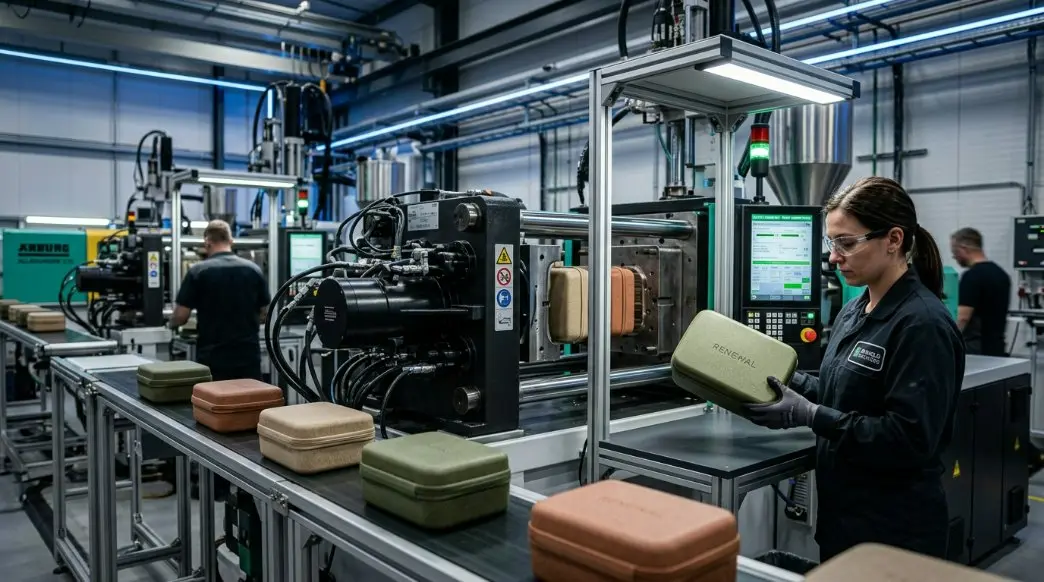
Direct Answer: Mid-2026 ASEAN Sustainability Standards for Cosmetic Case Injection Molding
By mid-2026, the ASEAN region is expected to enforce harmonized standards requiring cosmetic packaging to be either recyclable, reusable, or compostable. This shift directly affects the manufacturing of Plastic Injection Mold components. Factories in China are now optimizing tool designs to handle the unique rheological properties of recycled resins and bio-based polymers to ensure regional compliance.
Understanding the New Bioplastic Compatibility Mandates for Cosmetic Packaging
The ASEAN Green Packaging Framework focuses on reducing virgin plastic use. Modern mold engineering must now account for higher viscosity and different cooling requirements of bioplastics compared to traditional PP or ABS plastics.
How Biodegradable Resins Impact Mold Design and Tooling Lifespan
Biodegradable resins like PLA can be corrosive or abrasive over time. To ensure a long tooling lifespan, we utilize specialized stainless steel and coatings that resist degradation, ensuring your investment remains productive for millions of cycles.
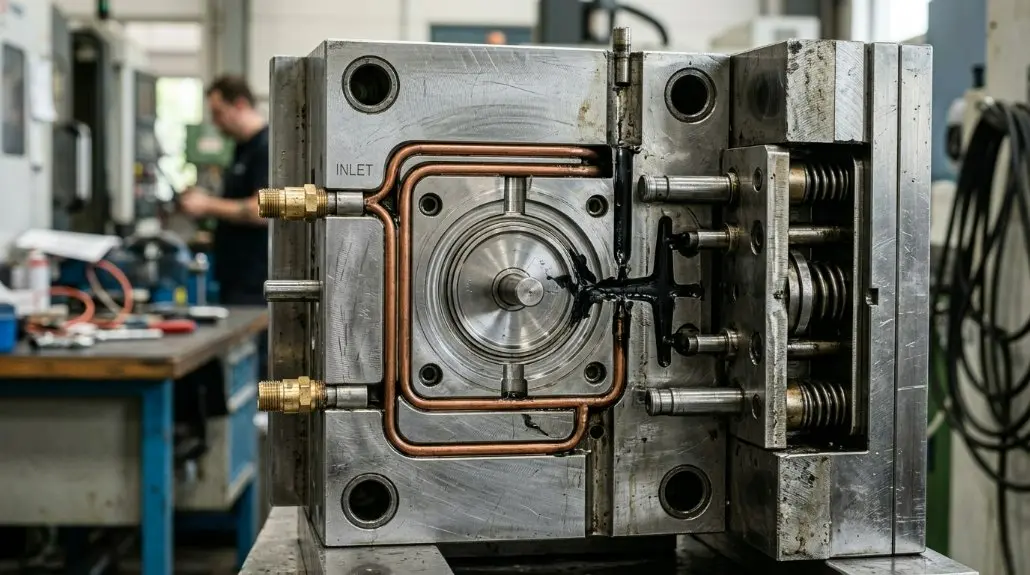
Data Specifications: Bioplastic Mold Tooling Parameters
Engineering a high-performance mold for the Southeast Asian market requires precise data control. Below are the typical parameters we optimize for sustainable materials.
Data Specs Table: Tonnage, Cycle Time, and Cooling Metrics for PLA and PHA
| Material Type | Clamping Force (Tons) | Cycle Time (Sec) | Mold Temp (°C) | Shrinkage Rate (%) |
|---|---|---|---|---|
| Polylactic Acid (PLA) | 150 - 300 | 18 - 25 | 25 - 45 | 0.3 - 0.5 |
| Polyhydroxyalkanoates (PHA) | 180 - 350 | 20 - 30 | 30 - 50 | 0.4 - 0.6 |
| Recycled PP (rPP) | 120 - 250 | 15 - 22 | 20 - 40 | 1.2 - 1.8 |
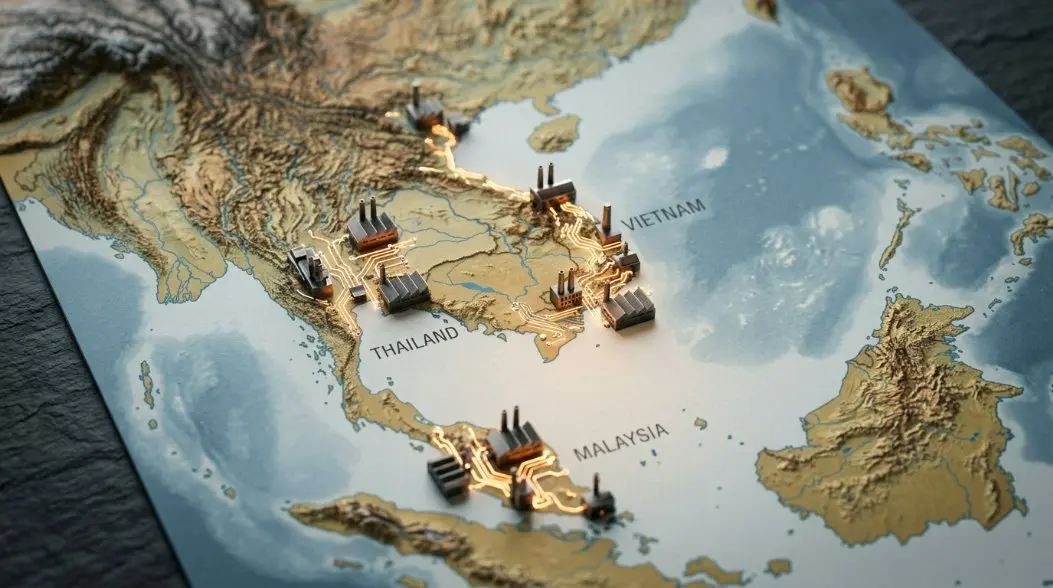
Top Manufacturing Hubs for Plastic Injection Molding in Southeast Asia
While many molds are designed and built in China, the final production often takes place in Southeast Asian hubs to leverage local logistics and trade agreements.
Vietnam: Cost-Effective Tooling and High-Volume Production
Vietnam has emerged as a leader in large-scale assembly for global beauty brands. Our factory provides seamless tooling exports to Vietnam, ensuring that the Cosmestic Case Mold fits perfectly into Vietnamese production lines.
Thailand and Malaysia: Advanced Automation and Precision Cosmetic Molding
Thailand and Malaysia offer more sophisticated automation environments. We provide high-cavitation molds specifically designed for these high-precision markets, where consistency is the primary KPI.
Essential Local Certifications and Standards in the ASEAN Market
Compliance is the passport to the ASEAN market. Beyond the mold itself, the manufacturing process must meet specific local and international benchmarks.
Navigating the ASEAN Green Label and Environmental Directives
The ASEAN Green Labeling Scheme (AGLS) identifies products that cause less environmental impact. Our molds are designed to facilitate the production of parts that qualify for these prestigious certifications.
ISO 9001, ISO 14001, and Local Eco-Friendly Manufacturing Requirements
Operating with ISO standards ensures that every mold produced meets global quality and environmental management expectations, which is vital for the SIRIM (Malaysia) or TISI (Thailand) audits.
Long-Tail SEO: Frequently Asked Questions
How do I upgrade my cosmetic case molds for 2026 ASEAN bioplastic compliance?
Upgrading involves retrofitting cooling systems and potentially changing the gate locations to accommodate the flow characteristics of eco-friendly resins. We recommend a full audit of your current tooling to determine if a retrofit or new mold is more cost-effective.
What is the cost difference for bioplastic injection molding in Southeast Asia?
While the raw material for bioplastics can be 20-40% more expensive, optimized mold design can reduce cycle times and scrap rates, significantly offsetting the initial material cost increase for the final product.
Send Inquiry



X
We use cookies to offer you a better browsing experience, analyze site traffic and personalize content. By using this site, you agree to our use of cookies.
Privacy Policy